
Grief In The Workplace
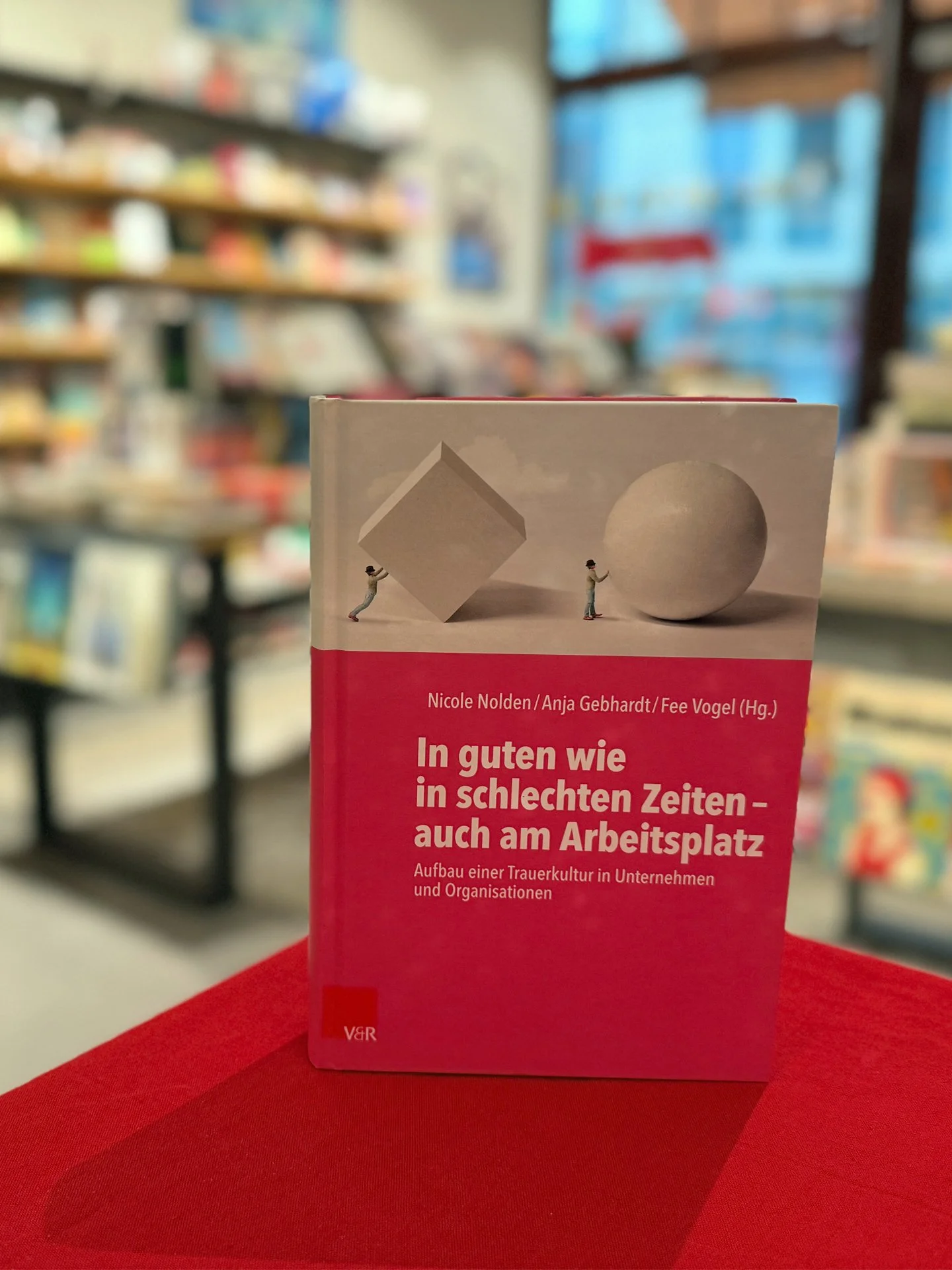
Supporting Organisations in Dealing With One of Life’s Inevitables
How do you find the sweet spot between the facts that business has to continue as normal when, for an employee who has experienced significant loss, nothing is the same? This is the challenge my work is trying to solve. For an organisation, the difference between getting grief right and getting it wrong can have profound impact on company culture, employee experience, sustainable performance, and productivity. A positive experience at work, during a time of deep grief, can strengthen trust, engagement, loyalty, and long-term performance for an employee. If, on the other hand, they feel unsupported during this difficult period, it can negatively affect engagement, trust, and retention.
Grief Affects Every Company
It is believed that every employee will experience the death of a loved one during their career. It could be the parents, the spouse, a sibling, a child, a close friend, or even a co-worker. Research suggests that 10% of the workforce are dealing with grief at any given point in time.
Every grief experience is unique, it is a highly individual experience that depends on many different factors. And it takes as long as it takes.
Grief does not only occur after the death of a loved one. It is also a very common experience during divorce, job loss, the death of a beloved pet, a life transition such as an empty nest or retirement. In every case, life is fundamentally changed, and the process of adjusting to the new circumstances is highly personal and equally emotional.
When a bereaved person returns to work after the loss of a loved one, work can be a welcome distraction, something steady to focus the mind on, something to cling to. Friendly colleagues are an important part of the social network helping a grieving employee navigate their loss. And work provides a routine when otherwise life feels out of balance.
Work can also add to the heaviness. It can be just another burden on top of already very heavy shoulders. Colleagues can sometimes feel uncomfortable around a bereaved person and treat them differently than before, sometimes even to the point of avoiding them.
Grief can also impact a whole team, when one of the team members dies. Suddenly, everyone is affected, bereaved, and often reminded of their own mortality. Uncertainty arises and may bring questions and concerns that distract from the job. Here, tailored team counselling can help process the experience.
My Services
Having spent 20 years working within multinational organisations in addition to almost a decade as a grief counsellor, I understand both the human experience of loss and the realities of running a business. My approach is always tailored to the specific situation and balances compassion with practicality, helping organisations support employees while maintaining sustainable performance.
You’d like to establish a grief-ready culture? I partner with your management to develop a grief strategy and supporting policies as well as train and coach your leaders, so they feel comfortable dealing with grieving employees and having difficult conversations.
You’d like support with current situations? A tailored full-day experience for bereaved teams following the death of a team member can help them sort and process their thoughts, feelings, and concerns. In addition, I offer grief consulting for your HR team and 1:1 grief counselling for employees.
You’re looking for a keynote speaker? I speak about grief in the workplace and facilitate employee awareness workshops.
Whether you are responding to an immediate bereavement case or looking to build a long-term grief strategy, the first step is a confidential conversation about your situation and needs. Let’s talk! (this link opens a new e-mail to Silke Hildebrandt)

Silke is a member of the German federal association for grief counselling and has been supporting grieving children, teenagers, and adults for almost a decade.